
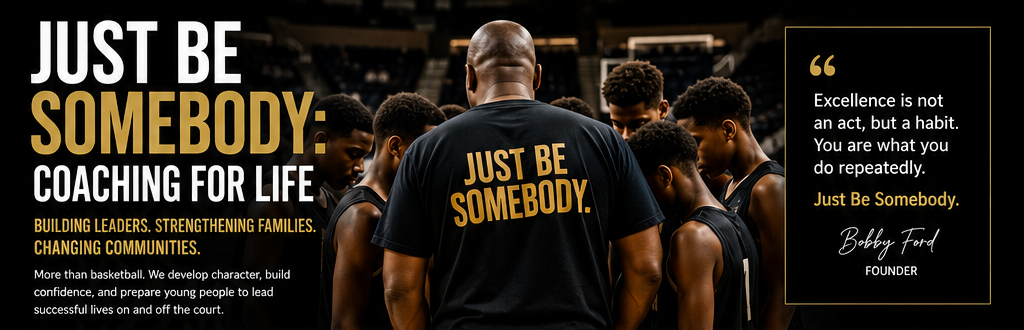


The Mentor's Guide to Delivering Powerful Youth Speaking Engagements That Drive Basketball Program Growth
As a basketball mentor, you already know that credibility matters. Parents want to trust you with their kids. Young players want to learn from someone who's walked the walk. But here's what many mentors miss: a well-executed speaking engagement can be your most powerful tool for building that trust at scale—and for filling your program with genuinely committed athletes who are ready to invest in themselves.
Speaking engagements aren't just about sharing wisdom from a stage. They're a direct pipeline to families actively looking for the kind of mentorship you provide. In this guide, we'll walk you through exactly how to structure, deliver, and leverage speaking opportunities to grow your basketball program with serious, dedicated players.
Why Youth Speaking Engagements Matter for Your Basketball Program
When you speak to parents and young athletes, you're doing something that advertising and social media can't match: you're demonstrating your knowledge and character in real time. People see how you think. They hear your philosophy. They get a feel for whether you're the real deal.
This matters because youth basketball is built on relationships and trust. Parents are making a decision about who their child trains with multiple times per week. Young players are deciding whose coaching style resonates with them. A 30-minute speaking engagement can clarify both of those decisions faster than months of casual contact.
Beyond credibility, speaking engagements create a tangible touchpoint. You're not just another coach they see on Instagram. You've been invited to address an audience because people recognize your expertise. That positioning alone makes your program more attractive to serious families.
Identifying the Right Speaking Opportunities
Not every speaking opportunity is worth your time. You want platforms where your target audience is already gathered—families interested in youth athletics, personal development, and competitive basketball.
Where to Find Speaking Opportunities
- School athletic departments and booster clubs – They regularly host speakers for basketball season kick-offs or athletic fundraisers. Reach out directly to athletic directors.
- Youth basketball leagues and tournaments – Organizations running competitive leagues are often looking for speakers for opening ceremonies or parent nights.
- Community centers and recreation departments – These institutions want quality programming and often welcome local experts.
- AAU chapters and competitive travel teams – Parents of serious young athletes are actively seeking mentorship and skill-building information.
- School assemblies and character education events – Schools need speakers on topics like leadership, resilience, and teamwork. Basketball provides the perfect hook.
- Local business and civic organizations – Rotary clubs, chambers of commerce, and youth development nonprofits frequently host speakers.
Start with organizations you already have connections to. Then expand by calling youth sports directors and asking what speaking opportunities exist in your area.
Structuring a Talk That Resonates and Converts
The best speaking engagement for your program isn't a highlights reel or a skills clinic. It's a talk with a clear message that leaves people thinking about what you offer.
The Three-Part Structure
Part 1: The Problem – Start by naming something your audience cares about. For parents, this might be: "How do you know if your young athlete is actually getting better, or just staying busy?" For young players, it might be: "Why some talented kids plateau while others break through." Give them a reason to pay attention.
Part 2: Your Perspective – This is where you share your philosophy and approach. What do you believe about developing young basketball players? What principles guide your mentoring? Use specific examples and stories from your experience. This is where people get a real sense of who you are.
Part 3: Practical Takeaway – Give them something concrete they can use. Whether it's a training principle, a mental approach, or a way to evaluate their own development, provide real value. People remember speakers who give them something useful they can implement immediately.
Keep It Focused and Conversational
Aim for 25 to 35 minutes of actual content. This leaves time for questions and doesn't lose the audience's attention. Speak like you're talking to a friend who asked for advice, not like you're reading from a script. Use natural language. Reference real situations you've seen. Let your personality come through.
The Follow-Up: Converting Engagement Into Program Growth
The talk itself is just part of the strategy. The real growth happens in what you do next.
Before You Speak
- Ask the event organizer if you can collect contact information (emails and phone numbers) from attendees interested in learning more about your program. Frame it as "for those interested in one-on-one mentoring or program information."
- Have a simple signup sheet or QR code ready that captures names and contact details.
- Prepare 10 to 15 printed materials or cards that describe your program clearly—what you offer, who it's for, and how to reach you.
During and After
- Make yourself available for a few minutes after you speak. People with real interest will come up with questions. Have those program cards with you.
- Within 48 hours, reach out personally to everyone who expressed interest. A brief email or call goes a long way. "Hey, thanks for coming today. I'd love to tell you more about what we're building."
- Offer a no-pressure next step—a conversation, a trial session, or an invite to observe a practice. Remove the barrier to engagement.
Building Your Speaking Schedule to Create Momentum
One speaking engagement might bring a few interested families. A consistent speaking schedule builds real momentum.
Aim for one to two speaking opportunities per month. This keeps your visibility high in the community and creates regular touchpoints where families can connect with you. Over six months, a modest speaking schedule can shift how people in your area perceive your program.
Track what works. Which types of events bring the most serious inquiries? Which messages resonate strongest? Use that data to refine your talks and seek out more of the opportunities that actually drive program growth.
The Credibility Multiplier Effect
Here's what happens when you execute this consistently: you stop being just another basketball coach. You become a recognized expert in your community. Schools want to book you. Parents mention you by name. Young athletes know who you are before you ever meet them formally.
That credibility becomes your competitive advantage. It attracts serious families. It attracts committed young players. And it makes your job as a mentor easier, because you're already starting from a place of trust.
Your speaking engagements aren't separate from your program—they're a fundamental part of how you build it.
Ready to Amplify Your Program's Growth?
If you're ready to turn your expertise into a speaking platform that drives real program growth, we'd like to help. We work with basketball mentors to structure, book, and execute speaking engagements that build credibility and recruit committed young athletes. Reach out to discuss how we can help you get on more stages and fill your program with the right families. Contact us today to get started.
```